Archive

[vc_row css_animation="" row_type="row" use_row_as_full_screen_section="no" type="full_width" angled_section="no" text_align="left" background_image_as_pattern="without_pattern"][vc_column width="2/3"][vc_column_text]Seigneur de nos forêts...

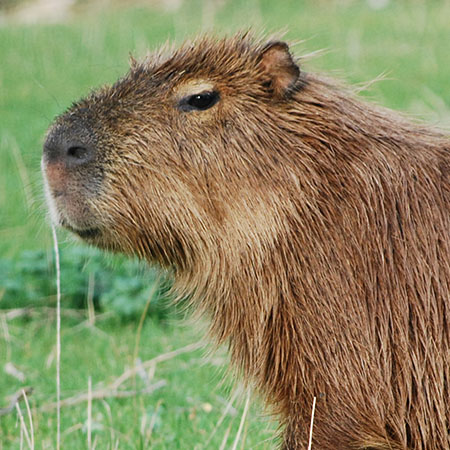
[vc_row][vc_column width="2/3"][vc_column_text]Le plus gros rongeur au monde ! Aussi appelé cabiai, le capybara ressemble à un cochon d'Inde géant : il peut atteindre une longueur de 1.35m, pour un poids de 65 kg ! Comme tous les rongeurs, ses longues incisives ont une croissance permanente. Il...

[vc_row][vc_column width="2/3"][vc_column_text]The world's largest rodent! The capybara looks like a giant guinea pig: it can grow to as much as 1.35 m in length and weigh 65 kg! Like all rodents, its long incisors keep growing throughout its life. It often goes into water, to get...

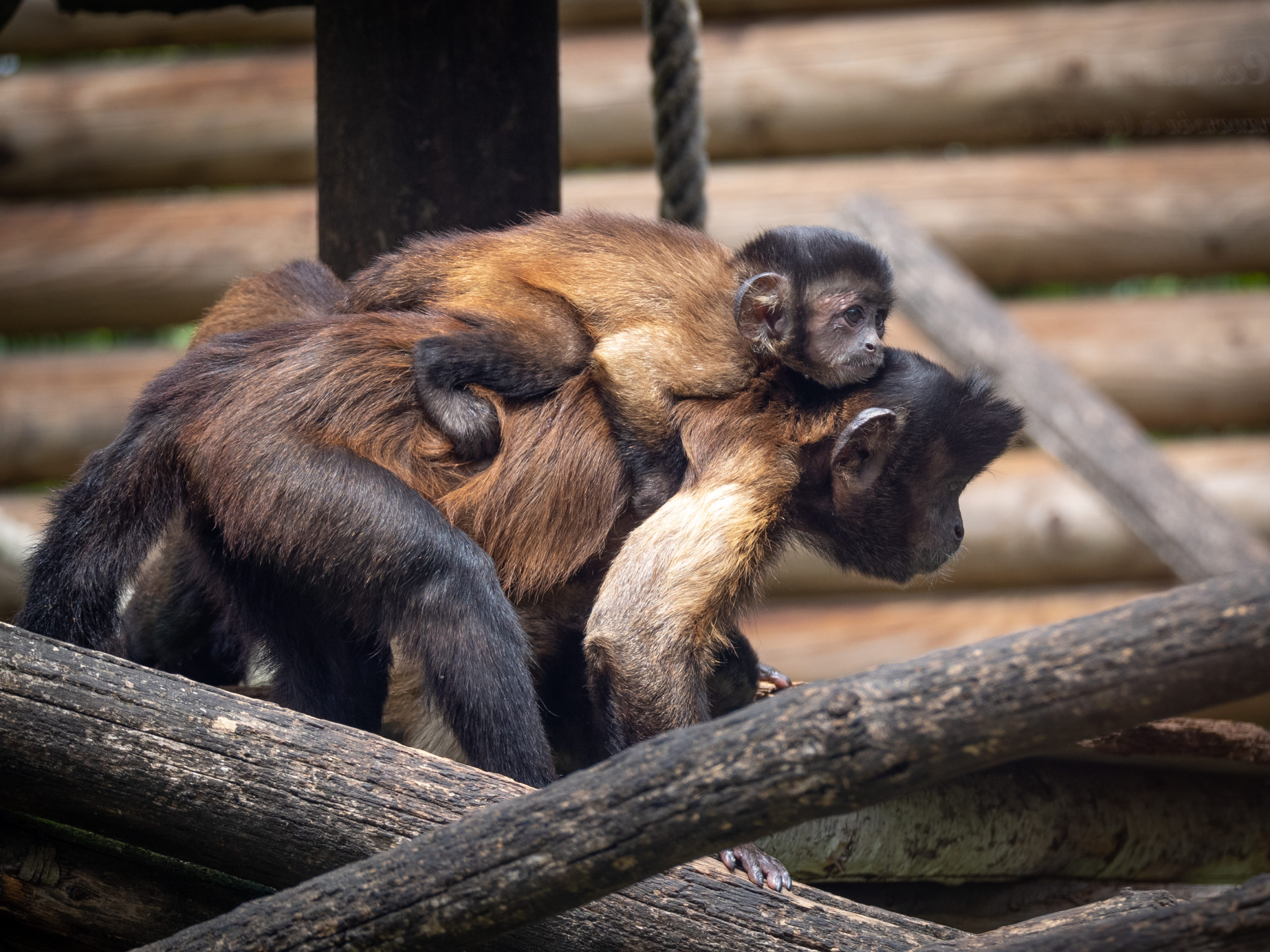
[vc_row][vc_column width="2/3"][vc_column_text] Ces primates originaires des forêts d'Amérique du Sud sont connus pour leur capacité à utiliser des outils, par exemple des pierres pour casser des noix. Ils font aussi preuve d'intelligence et de curiosité. A La Barben, vous verrez évoluer tout un groupe de capucins :...

[vc_row css_animation="" row_type="row" use_row_as_full_screen_section="no" type="full_width" angled_section="no" text_align="left" background_image_as_pattern="without_pattern"][vc_column width="2/3"][vc_column_text] These primates, natives of the South American forests, are known for their ability to use tools; for example, taking stones to break open nuts. They also show intelligence and curiosity. At La Barben, you can observe a whole...

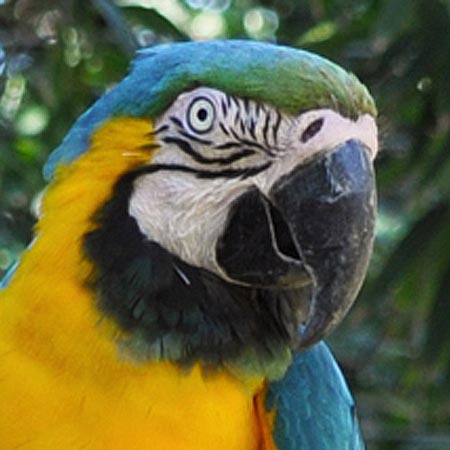
[vc_row][vc_column width="2/3"][vc_column_text]Blue and yellow macaw Found in the Amazon forest, this macaw eats seeds, fruit and nectar. Its strong beak means it can eat nuts and seeds that other species cannot manage. The blue and yellow macaw's striking colours, intelligence and ability to mimic human voices make...

[vc_row][vc_column width="2/3"][vc_column_text]Ara ararauna Rencontré dans la forêt amazonienne, cet ara se nourrit de fruits, de graines et de nectar, la force de son bec lui permet de manger des noix et des graines inaccessibles pour d'autres espèces. En raison de leurs éclatantes couleurs, de leur intelligence et...

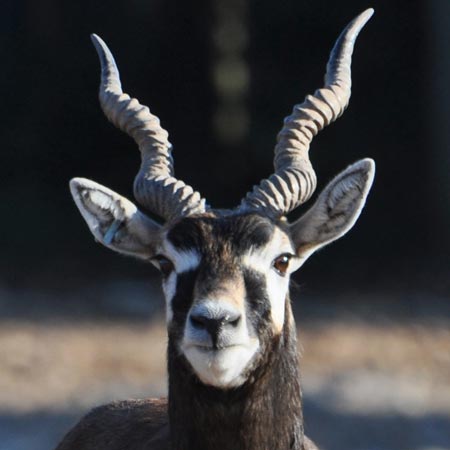
[vc_row][vc_column width="2/3"][vc_column_text]These elegant antelopes are one of the few to show a colour variation between the sexes. The females and the youngsters are light-coloured, but the male's upper body grows gradually darker, becoming a deep brown or even black. The males also have long, ringed...

[vc_row css_animation="" row_type="row" use_row_as_full_screen_section="no" type="full_width" angled_section="no" text_align="left" background_image_as_pattern="without_pattern"][vc_column width="2/3"][vc_column_text]Ces élégantes antilopes sont parmi les seules à présenter une variation de couleur entre les femelles et les jeunes, de couleur claire, et les mâles, dont les parties supérieures foncent progressivement jusqu'au marron foncé voire au noir....

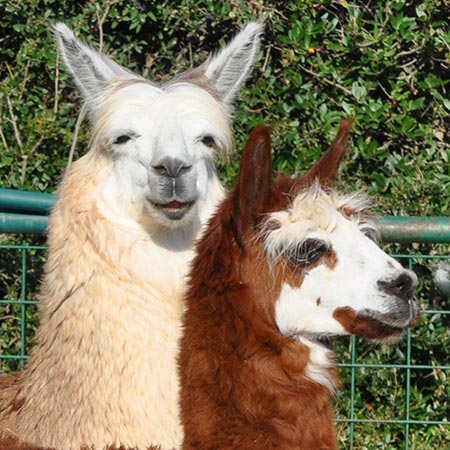
[vc_row css_animation="" row_type="row" use_row_as_full_screen_section="no" type="full_width" angled_section="no" text_align="left" background_image_as_pattern="without_pattern"][vc_column width="2/3"][vc_column_text]Alpaca Alpacas are common farm animals in the Andes. They cope with the lack of oxygen at these high altitudes through a number of adaptations, including an elevated number of red blood cells. Slightly smaller than llamas (their...